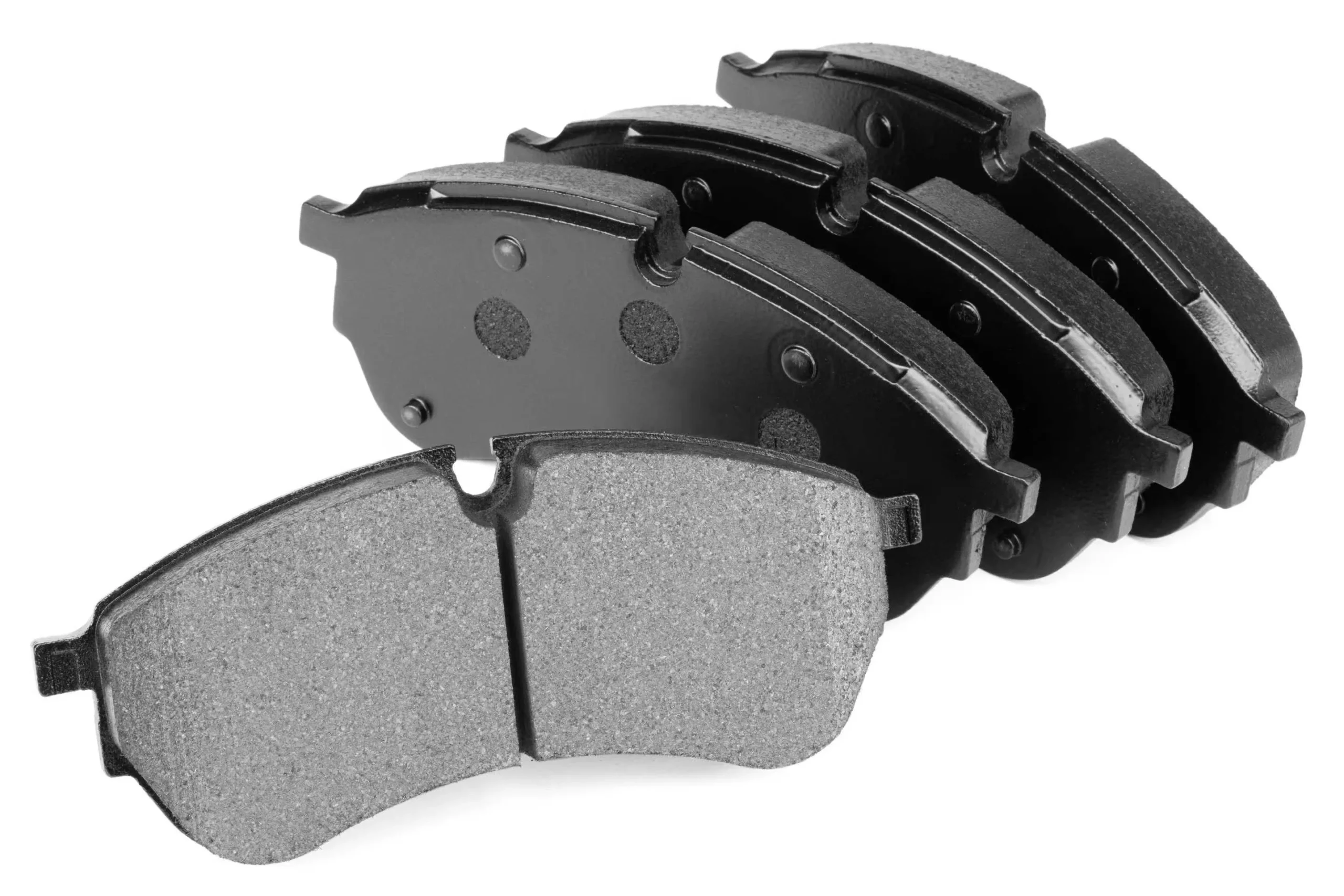
Brake Pads ceramic vs metallic brake pads Performance Analysis
Selecting the appropriate friction material for a vehicle's braking system often comes down to a critical trade-off between stopping power, noise levels, and maintenance. For most drivers and fleet managers, the primary dilemma centers on ceramic vs metallic brake pads, as each material interacts differently with the rotor and the environment.
The shift toward ceramic compositions in passenger vehicles has been driven by a demand for cleaner wheels and quieter operation. However, metallic options remain the standard for heavy-duty applications where heat dissipation is the non-negotiable priority. Understanding the chemical and physical differences between these two categories is essential for optimizing vehicle safety and reducing long-term wear.
By analyzing the structural composition and operational performance of these materials, we can determine which solution best fits specific driving cycles—from urban commuting to heavy commercial transport.
Friction Material Fundamentals
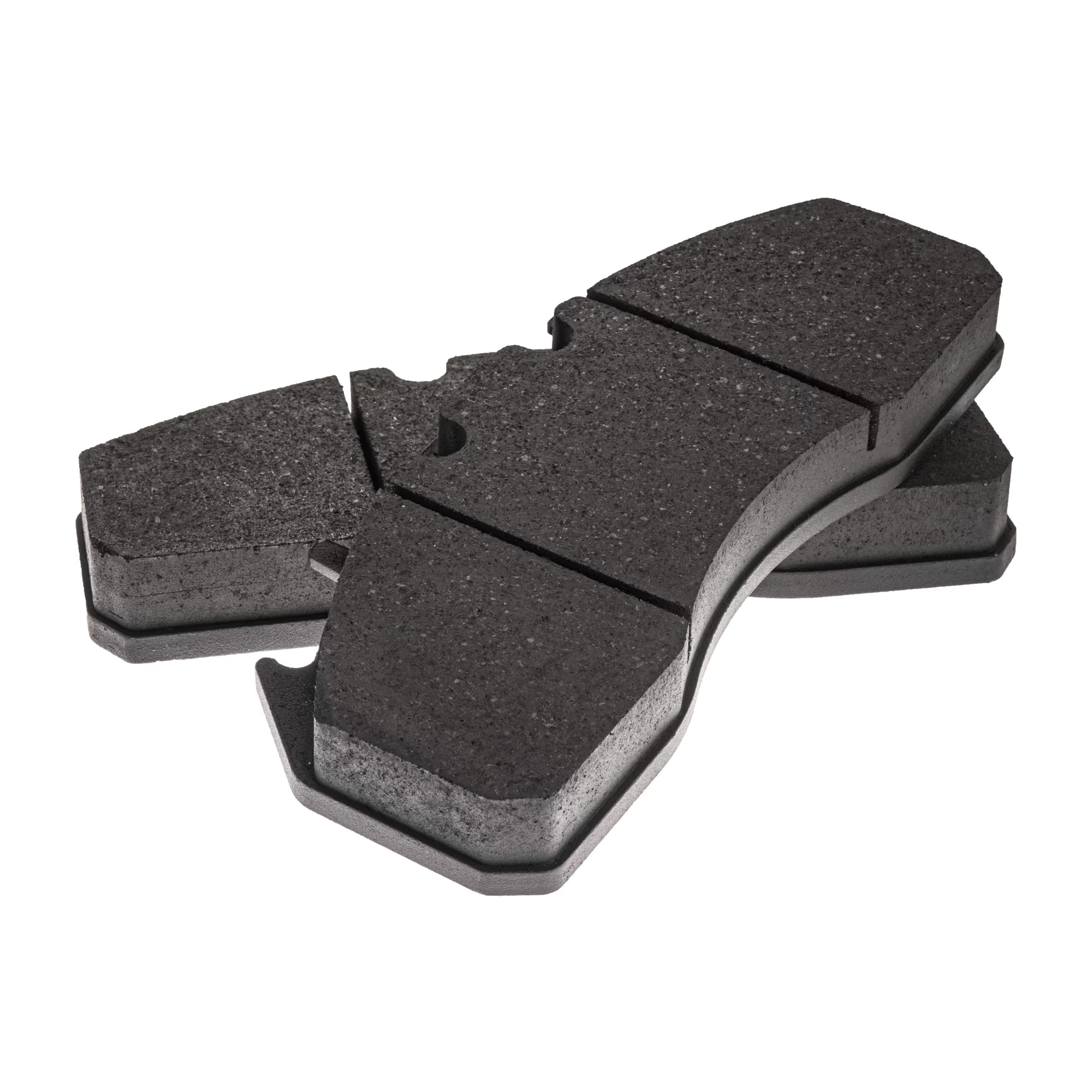
At its core, the difference between ceramic and metallic pads lies in their chemical binders and fillers. Metallic pads—specifically semi-metallic ones—utilize a blend of iron, copper, graphite, and other metal fibers. This high metal content creates a robust bond that can withstand extreme pressure and temperature, making them highly effective for heavy-load braking.
In contrast, ceramic pads are composed of ceramic fibers and non-ferrous fillers. By removing the significant metal content found in semi-metallic options, these pads avoid the oxidative process that leads to dark brake dust, offering a cleaner aesthetic and a different friction profile that prioritizes consistency over raw heat transfer.
The Mechanics of Heat Dissipation
Heat management is the primary technical battleground in braking performance. When a vehicle slows down, kinetic energy is converted into thermal energy. Metallic brake pads are superior in this regard because metals are naturally conductive, allowing heat to move quickly away from the friction surface and into the caliper and rotor, preventing the "brake fade" that occurs when materials overheat.
Ceramic materials act more as insulators than conductors. While they can withstand very high temperatures without breaking down, they do not move heat away from the rotor as efficiently as metallic pads. This means that in extreme racing or heavy towing conditions, the rotors themselves may reach higher temperatures, though the ceramic pad maintains a stable coefficient of friction.
For standard passenger vehicles, this difference is negligible. However, for commercial trucks or high-performance SUVs, the ability of semi-metallic pads to manage thermal loads ensures that stopping power remains consistent even during prolonged descent on steep grades.
Environmental and Acoustic Impacts
Beyond stopping distance, the user experience is heavily influenced by noise, vibration, and harshness (NVH). Metallic pads, due to their hardness and metal-on-metal contact, are more prone to producing audible squeaks and vibrations. This is a byproduct of the material's efficiency in high-friction environments.
The primary advantage of ceramic compounds is the reduction of particulate matter; since they lack iron fibers, the resulting dust is lighter in color and does not adhere to wheels as aggressively as metallic dust.
From an environmental perspective, the industry has moved toward 100% asbestos-free formulations. Modern ceramic and semi-metallic pads now utilize advanced bonding agents to ensure safety without relying on hazardous minerals, aligning with global OEM standards for eco-friendly automotive components.
Performance Index Comparison
To quantify the differences, we can look at relative performance indices across key metrics. While metallic pads dominate in heat dissipation and raw stopping power for heavy loads, ceramic pads lead in comfort, dust reduction, and rotor longevity.
The following data represents a qualitative assessment of how these materials perform in typical operating conditions, illustrating the trade-off between industrial strength and consumer convenience.
Figure 2. Relative Performance Index: Ceramic vs Metallic
Operational Scenario Alignment
For a typical city commuter driving a passenger car or a small SUV, ceramic pads are almost always the preferred choice. The focus in these scenarios is on low noise, minimal dust, and smooth braking transitions. The thermal loads in stop-and-go traffic are rarely high enough to necessitate the extreme heat dissipation of metallic pads.
However, in a professional transport setting—such as light trucks carrying heavy cargo or vehicles operating in mountainous terrain—metallic pads provide a critical safety margin. The ability to maintain a stable coefficient of friction under extreme heat prevents the dangerous sensation of a "spongy" brake pedal, ensuring reliable stopping power when it is needed most.
Evolution of Brake Compound Technology
The automotive industry is currently seeing a convergence of these materials. Manufacturers are developing hybrid compounds that attempt to bridge the gap between the durability of metallic pads and the cleanliness of ceramics. These "low-metallic" options provide a balanced middle ground for vehicles that require more than basic organic pads but cannot tolerate the noise of full semi-metallics.
Advanced production technologies, such as precision-engineered backing plates and noise-reduction shims, are now being integrated into both types of pads. This reduces the inherent acoustic disadvantages of metallic pads while enhancing the structural integrity of ceramic options.
Hengshui Kaiyuan Auto Parts Co., Ltd. incorporates these advancements by utilizing specialized friction material formulas that ensure a stable coefficient of friction across a wide temperature range, meeting strict OEM standards for both replacement and aftermarket solutions.
Material Selection Decision Framework
Choosing between ceramic vs metallic brake pads should be a data-driven decision based on vehicle weight, driving habits, and maintenance priorities. If the priority is aesthetic cleanliness and passenger comfort, ceramic is the logical path. If the priority is heavy-duty performance and heat resilience, metallic is the standard.
It is also important to consider the rotor material. Ceramic pads are generally gentler on rotors, extending the lifespan of the disc. Metallic pads, being more abrasive, may require more frequent rotor replacements but offer a more aggressive "bite" during initial braking.
The following table provides a structured comparison to assist in selection for different vehicle classes and operational requirements.
| Evaluation Factor | Ceramic Pads | Semi-Metallic Pads | Recommendation |
|---|---|---|---|
| Brake Dust | Very Low / Light | High / Dark | Ceramic for Aesthetics |
| Heat Dissipation | Moderate | Excellent | Metallic for Heavy Loads |
| Noise Level (NVH) | Quiet / Smooth | Higher / Squeal | Ceramic for Comfort |
| Rotor Wear | Low Abrasion | High Abrasion | Ceramic for Longevity |
| Stopping Power | Consistent / Stable | High / Aggressive | Metallic for Performance |
| Ideal Application | Daily Commute / SUV | Towing / Racing / Truck | Scenario-based Choice |
Questions & Answers
The fundamental difference lies in their composition. Metallic (semi-metallic) pads use a mixture of metal fibers, iron, and copper, which provides excellent heat conductivity and strong braking power. Ceramic pads are made from ceramic fibers and non-ferrous fillers, prioritizing low noise, minimal dust, and consistent performance across various temperatures without the corrosive nature of metal particles.
Ceramic brake pads are the optimal choice for reducing dust. Because they do not contain the high volume of steel or iron found in metallic pads, the residue they produce is significantly lighter in color and less likely to stick to the wheels. This results in cleaner rims and reduces the frequency of wheel cleaning and maintenance.
Yes, for heavy-duty applications like towing or hauling, semi-metallic pads are generally safer. Their superior ability to dissipate heat prevents brake fade—a condition where the braking system loses effectiveness due to overheating. This ensures that the vehicle maintains reliable stopping power even under the extreme thermal stress associated with heavy weight.
Not necessarily. While metallic pads are very durable in high-heat environments, ceramic pads often have a longer overall lifespan for typical daily driving because they are less abrasive to the rotors and maintain stability across a wide range of temperatures. The wear rate depends more on the driving style and the quality of the friction compound used.
In most cases, yes, but it is not always recommended. Since different materials have different friction coefficients and wear patterns, switching materials on a worn rotor can lead to uneven bedding and increased noise. For the best performance and safety, it is ideal to install new rotors when changing the type of brake pad material.
Low-metallic pads are a hybrid solution designed to provide a balance between the two extremes. They contain a smaller percentage of metal than semi-metallic pads, reducing noise and dust while still offering better heat transfer and stopping power than purely organic or some ceramic options. They are commonly used in medium-duty vehicles.
Final Thoughts
The choice between ceramic and metallic brake pads is not about finding the "best" material, but finding the right material for the specific application. While ceramic pads offer an unmatched combination of quiet operation and cleanliness for the modern passenger car, metallic pads remain the indispensable workhorse for the commercial and performance sectors where thermal management is a matter of safety.
Ultimately, investing in high-quality friction materials that meet OEM standards ensures a balance of durability, efficiency, and safety. Whether prioritizing the low-dust benefits of ceramic or the raw power of semi-metallics, the focus should always remain on the stable coefficient of friction and the ability of the system to perform under the vehicle's most demanding driving conditions.